Case Study: Université de Sherbrooke’s Institut quantique Switches to On-Site Liquid Nitrogen Production
Université de Sherbrooke’s Institut quantique supports more than 11 research laboratories in the Department of Physics that collectively consume approximately 50,000 litres of liquid helium per year. This helium is recovered and liquefied for reuse—a process that requires substantial volumes of liquid nitrogen (LN₂) for precooling. Faced with rising costs and delivery disruptions, the Institute chose to produce its liquid nitrogen on site. With support from Ingenio and F-DGSi, it installed a system capable of producing nearly 500 litres per day, securing an independent supply and improving the continuity of its research activities.
Project Overview — LN₂ Infrastructure Upgrade
| Parameter | Details |
|---|---|
| Institution | Institut quantique — Université de Sherbrooke, Department of Physics |
| Research infrastructure | Helium recovery and liquefaction for more than 11 laboratories |
| LN₂ consumption (2025) | Approximately 90,000 L/year |
| LN₂ supply (2025) | Delivered liquid nitrogen |
| Solution implemented | On-site LN₂ production |
| System | F-DGSi liquid nitrogen generator — 480 L/day |
| Outcomes | LN₂ autonomy • Payback period of approximately 5 years • Reduced logistical constraints, operational risks, and costs • Environmental benefits |
This overview summarizes the key aspects of the installation. The following sections explore the operational challenges that prompted the project, the solution implemented, and the results achieved.
- When Liquid Nitrogen Becomes an Infrastructure Priority
- The Challenges of Liquid Nitrogen Supply
- Evaluating the Transition to On-Site Liquid Nitrogen Production
- The Selected Solution: On-Site Liquid Nitrogen Production and Distribution
- Commissioning and Operational Integration
- Results: Autonomy, Cost Savings, and Environmental Benefits
- The Institut quantique’s Perspective
- On-Site Gas Production: A Long-Term Infrastructure Strategy
1. When Liquid Nitrogen Becomes an Infrastructure Priority
n many research institutions, liquid nitrogen (LN₂) is often viewed as a basic laboratory consumable. In practice, its role has expanded: applications such as mass spectrometry, cryopreservation, advanced materials research, and experimental physics have driven sustained growth in LN₂ consumption, making a reliable supply an essential operational requirement.
Many laboratories rely on external deliveries for their liquid nitrogen supply. While seemingly straightforward, this model exposes them to supply disruptions and fluctuating costs. Beyond the cost of the liquid nitrogen itself, laboratories must account for transportation, tank rentals, and evaporation losses, as well as storage and handling constraints.
Liquid nitrogen is increasingly shifting from a routine consumable to a resource essential to operational continuity. The Institut quantique’s experience illustrates how these challenges can prompt an institution to rethink its LN₂ supply strategy.
2. The Challenges of Liquid Nitrogen Supply
At Université de Sherbrooke’s Institut quantique, liquid nitrogen plays an essential role in the department’s helium recovery and liquefaction infrastructure. The Department of Physics consumes approximately 50,000 litres of liquid helium annually across more than 11 research laboratories. To conserve this valuable resource, helium gas used in experiments is recovered, compressed, and reliquefied for reuse through a helium recovery system designed by the Institute. Without recovery, helium costs would amount to approximately $1,750,000 per year, based on a price of about $35/L in 2026.
Delivery Logistics and Dependence on External Suppliers

Historically, these LN₂ needs were met through liquid nitrogen deliveries, requiring regular coordination of supply and on-site cryogenic storage. Although effective in principle, this model presented several operational challenges. Dependence on external deliveries left the institution vulnerable to supply disruptions, particularly during holidays or periods of high demand. For example, during the 2025 Christmas holiday period, missed deliveries led to a temporary shutdown, forcing several experiments to be postponed or cancelled.
Cost Variability and Operational Constraints
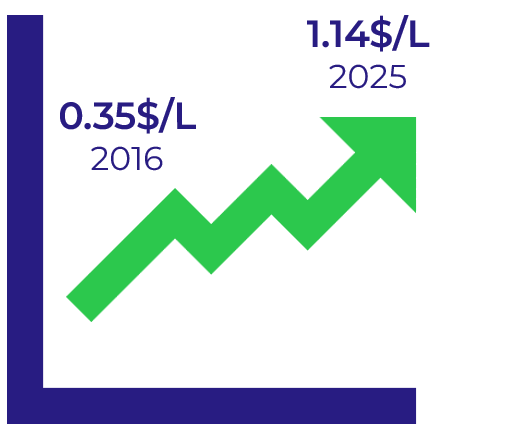
As helium recovery has become critical to the department’s research activities, ensuring a stable, predictable, and cost-effective LN₂ supply has also become an infrastructure priority. The cost of liquid nitrogen, transportation, and tank rentals has increased over time. The price of liquid nitrogen rose from approximately $0.35 per litre in 2016 to nearly $1.14 in 2025.
These constraints ultimately led the institution to assess whether delivered liquid nitrogen remained the most suitable option for supporting its helium recovery and research activities.
3. Evaluating the Transition to On-Site Liquid Nitrogen Production
With rising costs for delivered LN₂ and growing operational constraints associated with deliveries, a structured assessment of alternative supply strategies is a sensible step. The Institute approached this process as a laboratory infrastructure planning exercise, assessing whether on-site liquid nitrogen production could provide greater operational autonomy, more predictable costs, and improved long-term reliability.

I. Assessing Laboratory LN₂ Consumption
See details.
The first step was to establish the institution’s LN₂ demand profile, including the average and peak consumption required for helium liquefaction, as well as the distribution of other nitrogen uses across the connected laboratories. Future expansion of research activities and anticipated growth in cryogenic demand were also considered to ensure that the proposed system would remain suitable over the long term.

II. Facility Infrastructure Constraints
See details.
The feasibility study also examined the technical and space constraints associated with installing on-site production equipment. Key considerations included available space in the mechanical room, electrical supply capacity, ventilation requirements, and integration with existing infrastructure. Noise management and structural load-bearing capacity were also assessed to ensure safe integration without disrupting research activities.

III. Cost Comparison: Delivered LN₂ vs. On-Site Production
See details.
Finally, the Institute compared the long-term costs of delivered liquid nitrogen with those of on-site production. The analysis compared the production system’s total cost of ownership, including maintenance requirements over a 10-year period, with the purchase price of liquid nitrogen, delivery logistics and costs, tank rental fees, and evaporation losses.
Following this structured assessment, the Institute concluded that on-site liquid nitrogen production could provide a more reliable and sustainable approach to supporting its helium recovery infrastructure and research activities.
4. The Selected Solution: On-Site Liquid Nitrogen Production and Distribution
Following the feasibility study, the Institut quantique selected a liquid nitrogen production system with a nominal capacity of 480 L/day. The selected configuration combines nitrogen gas generation, liquefaction, and storage while integrating with the existing helium recovery infrastructure.
The system was designed by F-DGSi, a manufacturer with more than twenty years of expertise in laboratory gas and liquid nitrogen generation systems. Its generators meet the needs of analytical laboratories, research facilities, and industrial sites, supplying gas for chromatography and mass spectrometry instrumentation, among other applications.
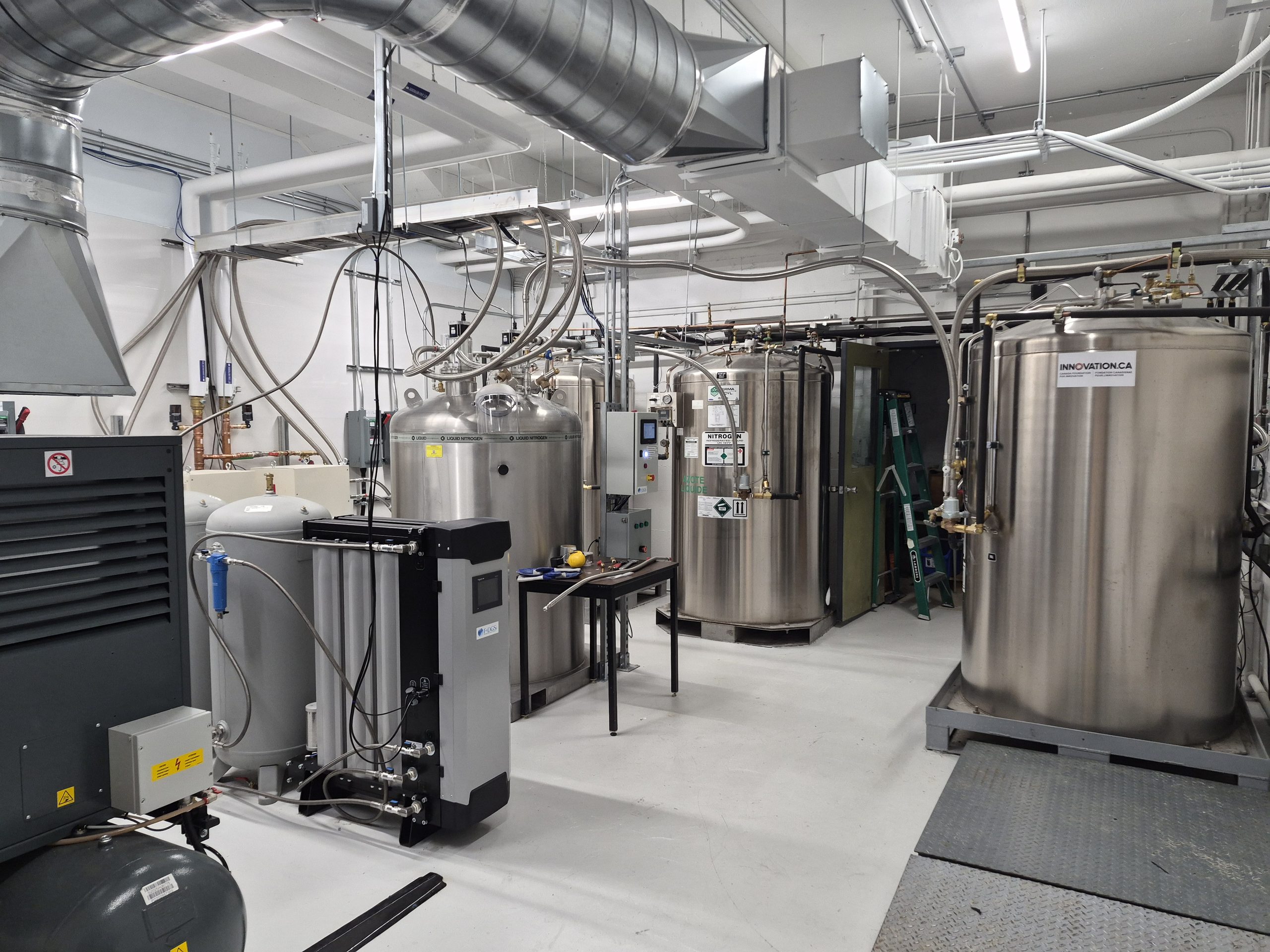
The F-DGSi liquid nitrogen production system integrated into the infrastructure of Université de Sherbrooke’s Institut quantique.
Key Components
The system brings together several components that handle nitrogen generation, liquefaction, and storage while enabling continuous monitoring of system performance.
LN₂ Production System — Institut quantique, Université de Sherbrooke
| Components | Details |
|---|---|
| Existing air compressor | Supplies compressed air of quality class 2-2-1, with a 200 L receiver tank |
| Nitrogen generator — TORNADO ULTRA 3110 | PSA technology producing 20.4 m³/h of N₂ at 99% purity |
| Gas homogenization and storage | Two 200 L buffer tanks, filters, a pressure regulator, and a check valve |
| Cryogenic liquefaction | Two CH160 cryogenic heads with four F70L helium compressors, using the Gifford–McMahon process |
| LN₂ storage tank | A 1,000 L double-wall cryogenic tank connected to three additional tanks of 1,500 L each |
| Control system | Touchscreen for monitoring LN₂ production, pressure, tank level, and oxygen concentration, with safety alarms and remote access |
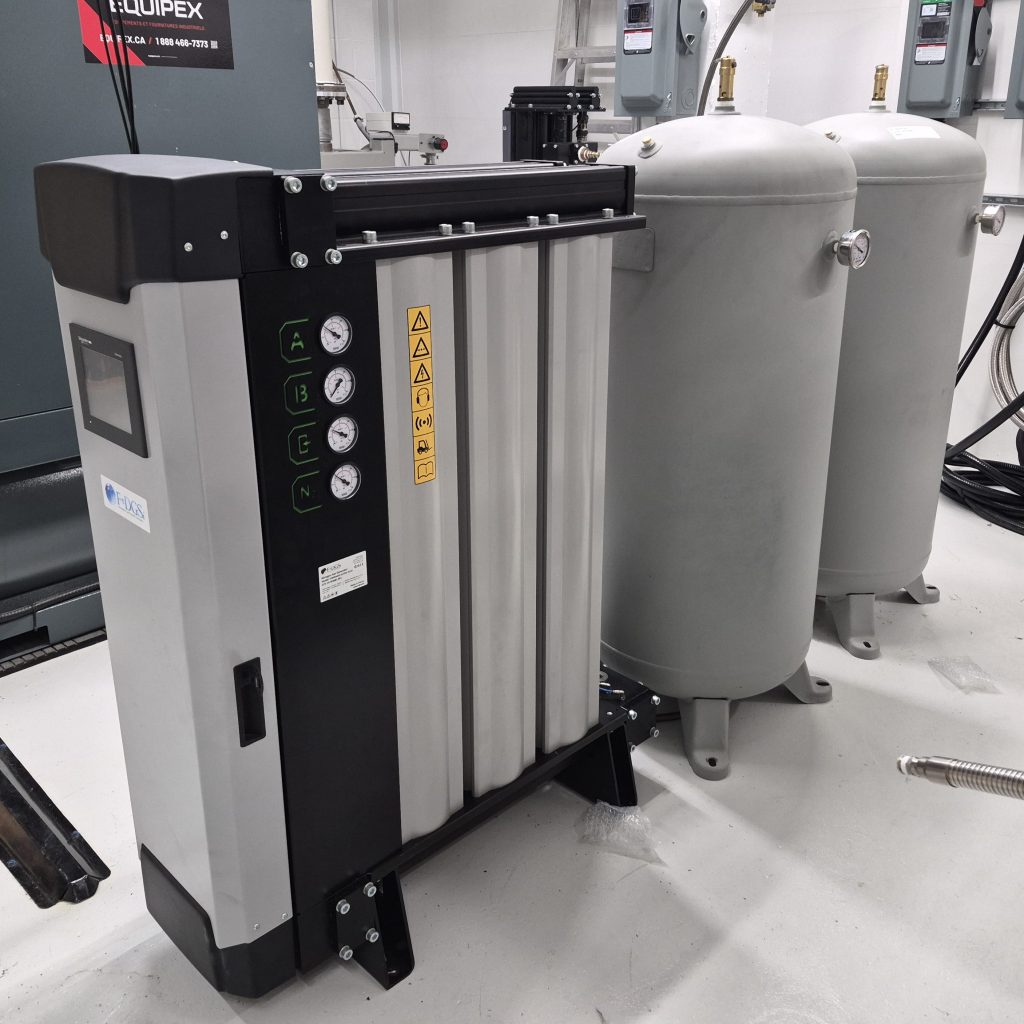
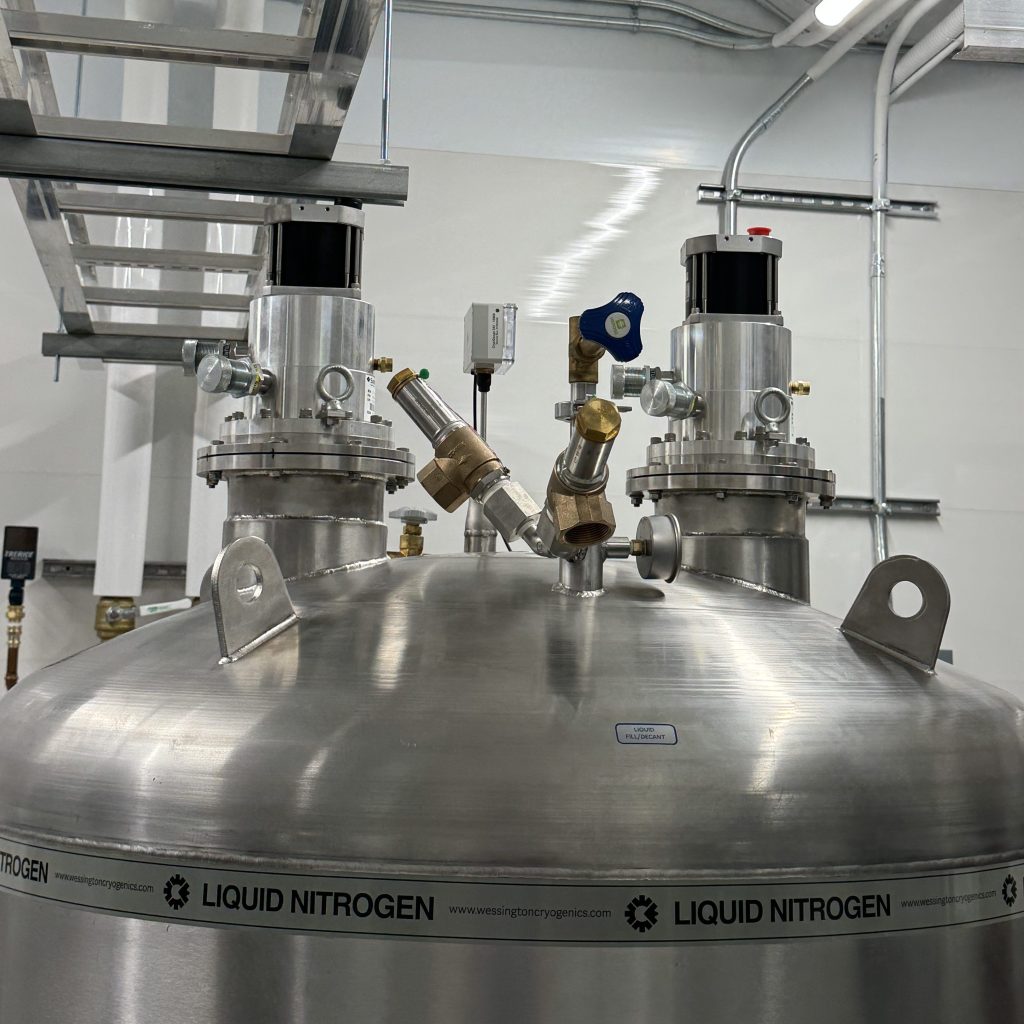
Installed above the liquid nitrogen (LN₂) storage tank, these units convert nitrogen gas into liquid nitrogen using the Gifford–McMahon cycle.
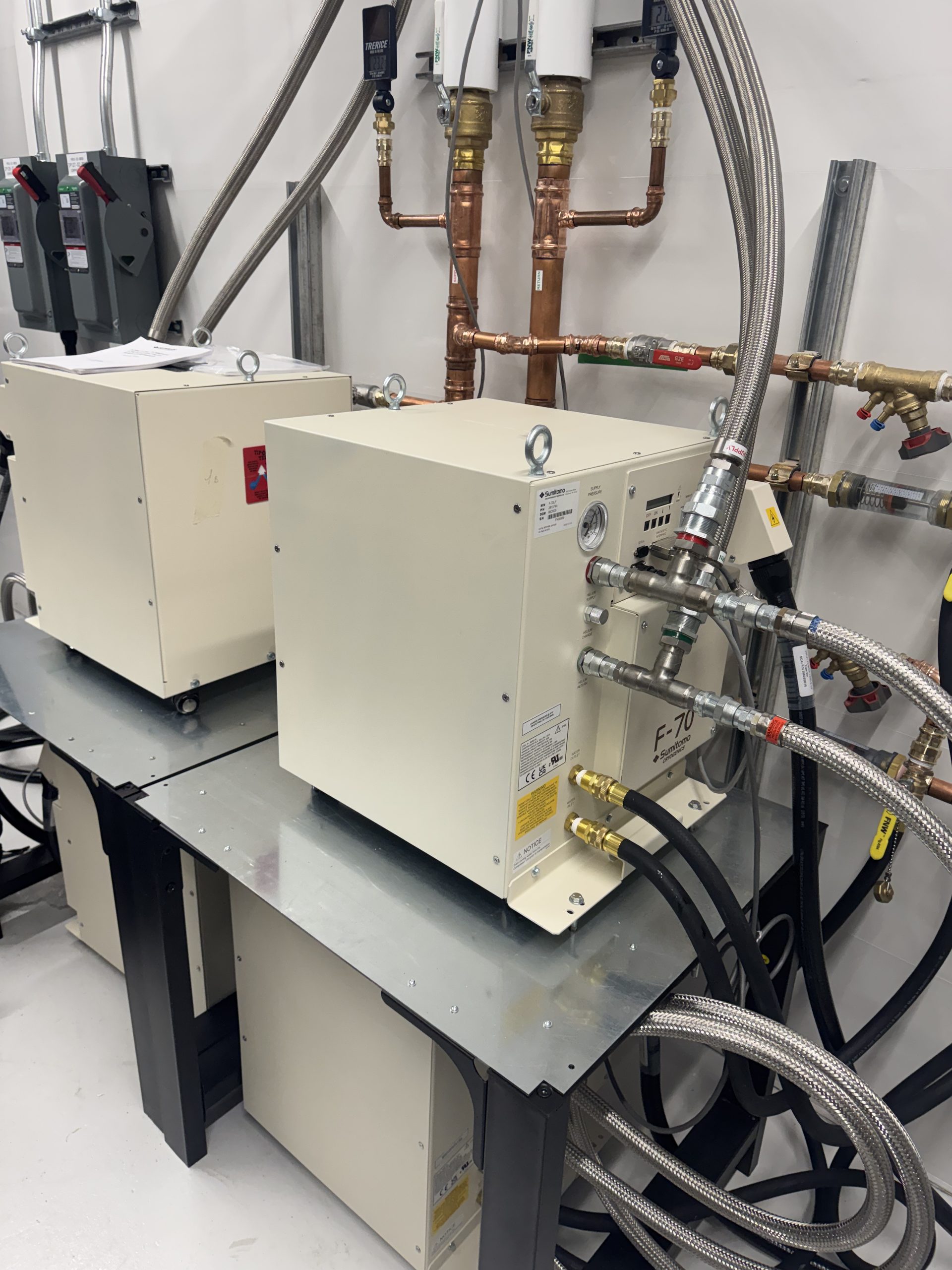
These four units power the cryogenic cooling heads and drive the refrigeration cycle required for nitrogen liquefaction.
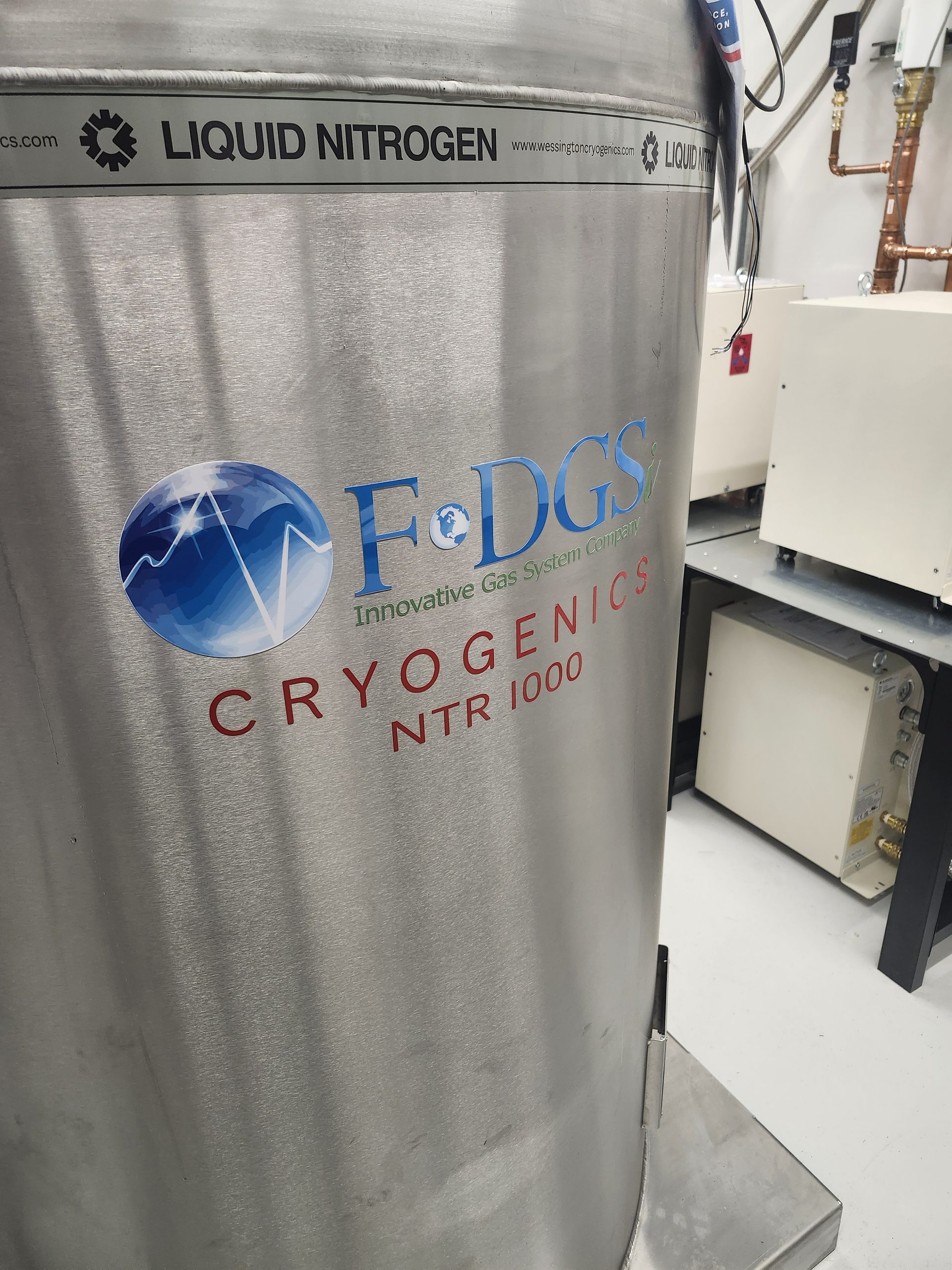
This initial tank collects the liquid nitrogen produced on site before distributing it to additional tanks connected to the helium liquefaction system.
Liquid and Gaseous Nitrogen Storage and Distribution
The F-DGSi system produces liquid nitrogen in a main 1,000-litre cryogenic tank. The LN₂ is then transferred to three secondary tanks of 1,500 litres each, bringing the total installed storage capacity to 5,500 litres.
From these tanks, a network of insulated piping integrated into the building’s walls distributes liquid nitrogen to the research equipment.
- Approximately 80% of the LN₂ is used to precool the helium liquefaction system, located on the floor above.
- The remaining 20% supplies other laboratories that require liquid nitrogen for their activities.
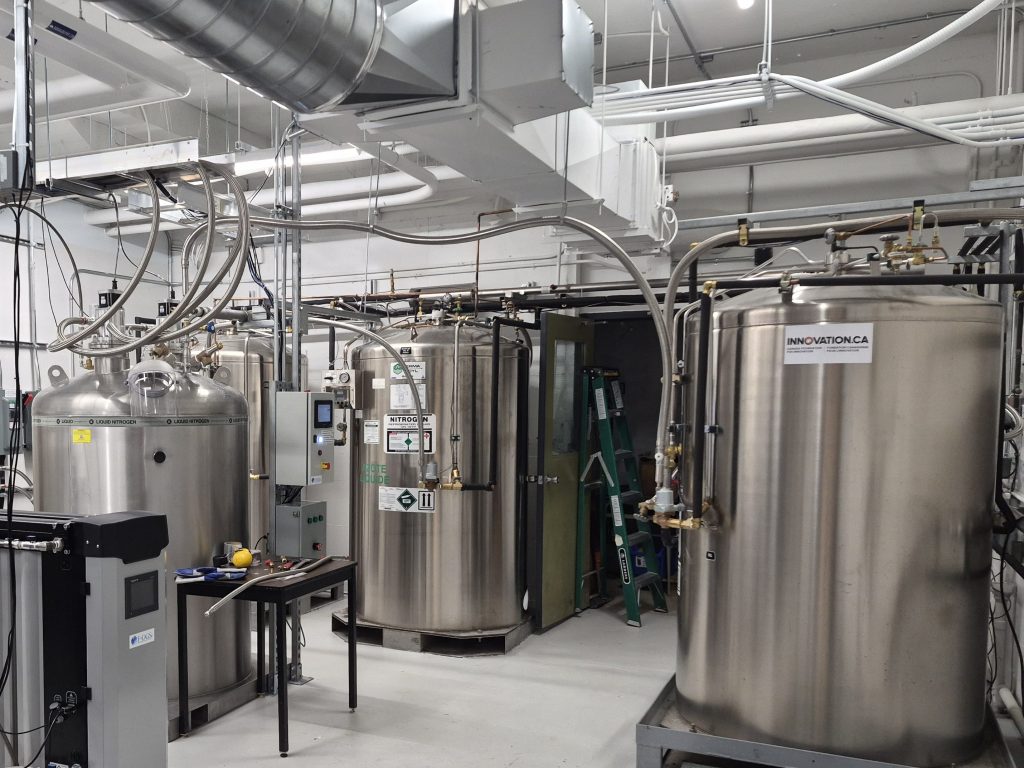
The three secondary tanks provide a liquid nitrogen reserve for the helium liquefaction system and other research applications.
The infrastructure also makes use of some of the nitrogen gas produced by the natural evaporation of liquid nitrogen and collected in the upper portion of the cryogenic tanks. This gas is recovered and routed through a piping network to other instruments requiring a high-purity nitrogen gas supply that meets their quality and pressure specifications.
This configuration meets multiple research needs through a single production system while optimizing the use of available nitrogen.
5. Commissioning and Operational Integration
Before installation, the required utility connections must be prepared. Once the system is installed, the project moves into the commissioning phase, which includes system startup and staff training to ensure reliable operation.
Installation Coordination

While the equipment is being manufactured and shipped, the room designated for the LN₂ production system must be prepared. This includes verifying the required utilities—compressed air, electricity, and water—and maintaining an ambient temperature between 7 and 25 °C.
At the Institut quantique, these preparations were coordinated by University staff. A project of this kind can also be delivered on a turnkey basis, with the supplier handling infrastructure preparation and system integration. Once the site is ready and the equipment has been delivered, installation is scheduled to minimize disruption to ongoing research activities.
System Commissioning and Testing
After installation, commissioning verifies that the system is operating correctly. The LN₂ production unit, already tested at the manufacturer’s facility, is designed for continuous, automatic operation, 24 hours a day, 7 days a week.

After startup, approximately 36 hours are required to reach stable operating conditions. The system then produces approximately 20 L/h of liquid nitrogen, or 480 L/day, at 99% purity (the purity achieved depends on the generator selected). When the 1,000 L storage tank is full, the system automatically enters standby mode until more LN₂ is needed.
Additional tanks can be connected to increase total storage capacity. At the Institut quantique, three auxiliary 1,500 L tanks store surplus liquid nitrogen from the main tank.
Staff Training

Once commissioning is complete, staff receive training on system operation, use of the control interface, safety procedures, and basic preventive maintenance.
Once the system is operational, local technical support remains available. Maintenance and repair services are provided by Ingenio’s service team, supporting the installation’s long-term reliability.
6. Results: Autonomy, Cost Savings, and Environmental Benefits
On-site liquid nitrogen production has enabled the Institut quantique to strengthen its supply autonomy, gain greater control over costs, and reduce its environmental impact.
Greater Supply Autonomy and Stability
By replacing external deliveries with continuous, automated production, the Institute has significantly reduced the risk of supplier-related disruptions and the associated logistical constraints.
The system now provides a supply tailored to the needs of the helium recovery infrastructure and the laboratories that depend on it, while offering additional capacity to support future growth.

Long-Term Cost Control
Before installation, the Institute spent approximately $100,000 per year on liquid nitrogen purchases. The price per litre had more than tripled between 2016 and 2025, alongside rising transportation costs.
On-site production replaces much of this spending with operating costs primarily related to electricity and system maintenance. With a payback period initially estimated at five years, the Institute therefore expects cumulative savings of at least $500,000 over ten years, along with more predictable budgeting.

Environmental Benefits
On-site production eliminates regular LN₂ deliveries and the associated transportation emissions. The nitrogen production process itself generates no direct emissions, releasing only oxygen as a by-product. The carbon footprint of on-site production now depends primarily on the system’s electricity consumption.

Key Results
| Indicators | Results |
|---|---|
| LN₂ production capacity | 480 L/day (up to 175,000 L/year), nearly twice the current consumption (90,000 L/year) |
| Supply autonomy | Elimination of dependence on external deliveries |
| Payback period | Estimated at approximately 5 years |
| Cost predictability | Expenses primarily related to electricity and maintenance |
| Projected savings over 10 years | Estimated at a minimum of $500,000 |
| Environmental impact | Reduced transportation-related emissions |
7. The Institut quantique’s Perspective
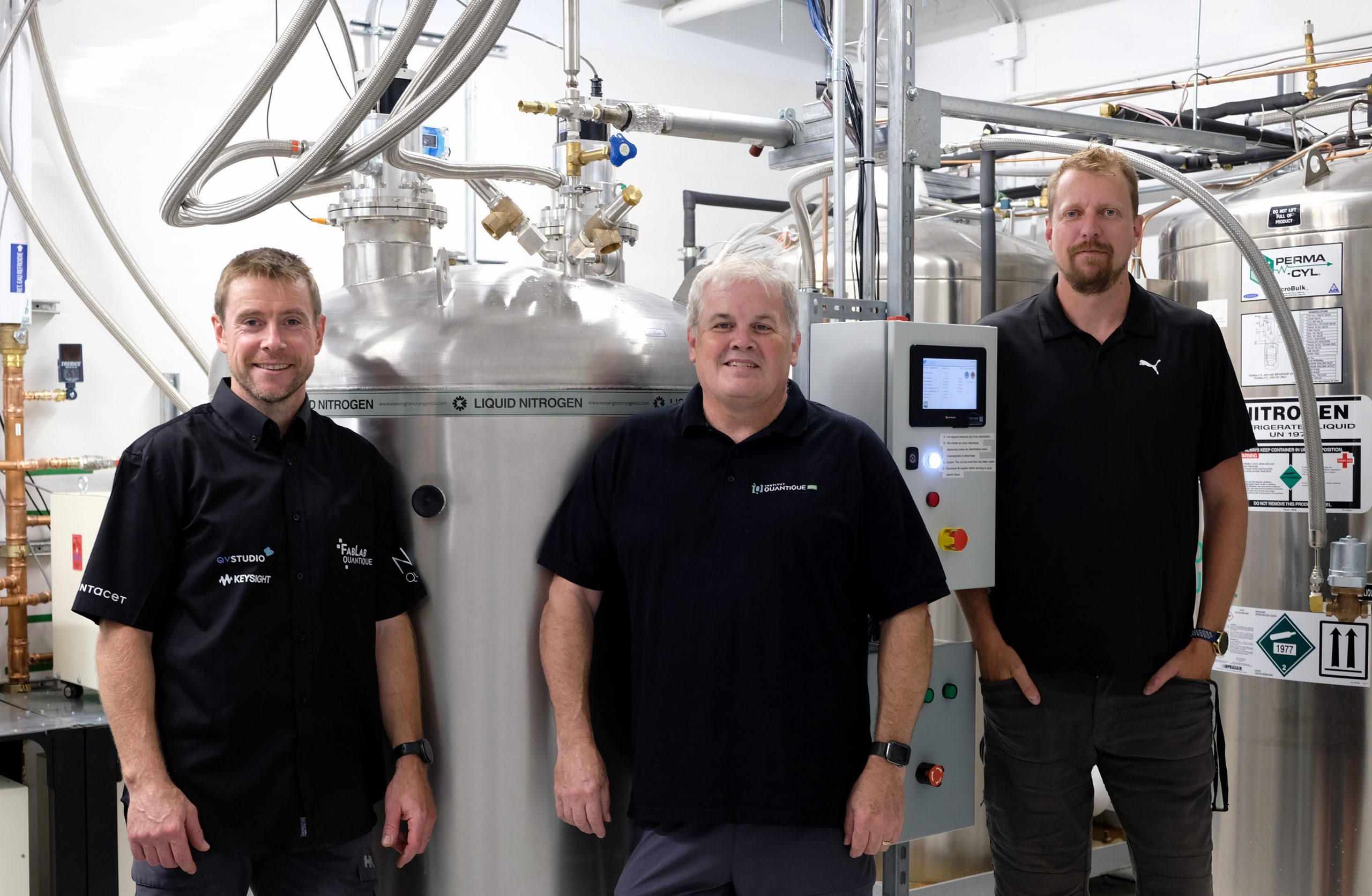
« A reliable liquid nitrogen supply is essential to maintaining our helium recovery operations and supporting research across multiple laboratories. Switching to on-site LN₂ production has significantly improved the stability of our supply while reducing long-term financial and environmental costs. »
François Lizée, Stephane Pelletier, Bobby Rivard
Research Infrastructure Managers
Institut Quantique – Université de Sherbrooke
8. On-Site Gas Production: A Long-Term Infrastructure Strategy
Gas supply has become an essential part of research infrastructure, supporting both cryogenic processes and analytical instrumentation. Reliable access to nitrogen, hydrogen, and zero air helps maintain performance and operational continuity, from helium recovery systems to LC-MS analytical platforms and GC-MS.
The Institut quantique’s experience illustrates the benefits of on-site production: supply autonomy, reduced logistical constraints, and more predictable costs. This approach also applies to other laboratory gases and a wide range of scientific, medical, and industrial sectors.
At Ingenio, laboratory gas generation is part of a comprehensive approach to laboratory infrastructure design and planning that extends beyond equipment installation. System selection and sizing must account for instrumentation requirements, existing facilities, and evolving research activities to ensure long-term reliability.
Considering on-site liquid nitrogen production? Ingenio’s team can help you assess your needs, size the system, and integrate it into your facility.